A Full House at Matsentralen with Sustainability and Food Rescue for Schoolchildren
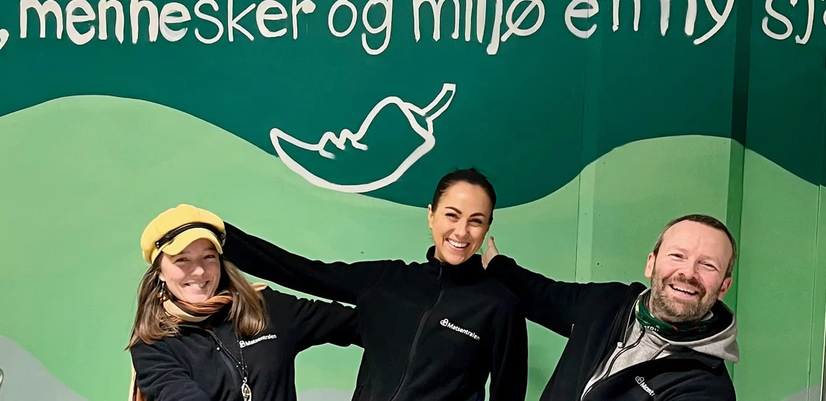
Matsentralen Oslo has reason to celebrate as their new sustainability sessions for schoolchildren are already fully booked through to the summer. We joined project manager Anne Marthe Bratthammer as she welcomed an enthusiastic middle school class.
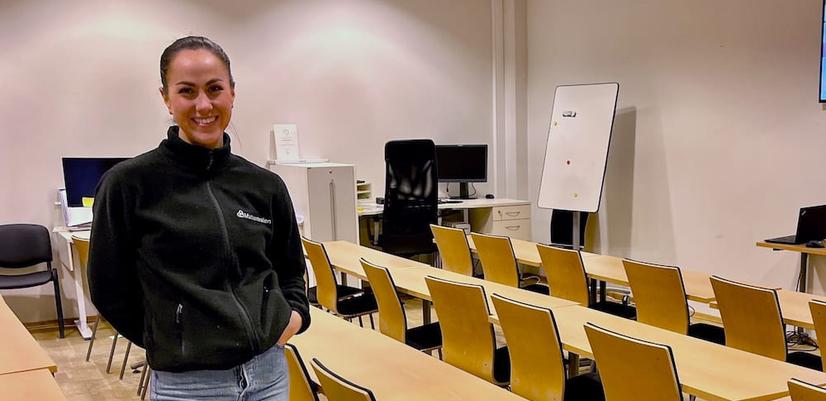
The teaching room at Matsentralen Oslo is buzzing with energy this morning.
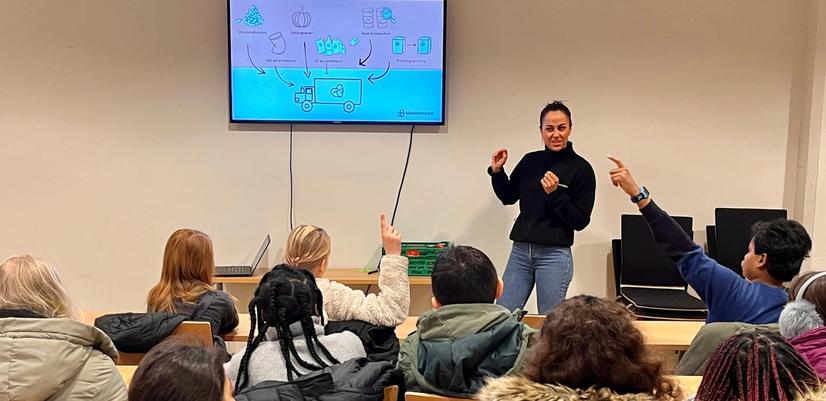
Topics such as the unequal distribution of the earth's resources, the environmental impact of food production, the difference between food waste and food loss, and above all, how to save more food from being thrown away, have eager students raising their hands throughout the session.
Reuse
Hanne Eide Andersen/Kavli Trust
Challenges and Solutions
Some students have questions, others want to answer, and many want to share their own food-saving tips.
– The goal is to teach students about the challenges, while also showing them that good solutions exist and how they themselves can contribute to a more sustainable society through their everyday choices, says project manager and education coordinator at Matsentralen Oslo, Anne Marthe Bratthammer.
– We also want children to gain tools to inspire their family and friends, so that the ripple effects of the project reach even further, she adds.
Kavlifondet has better solutions for climate and the environment as one of its focus areas, and is supporting the establishment of the school programme with NOK 500,000 in 2024.
Engaged
Hanne Eide Andersen/Kavli Trust
Inspiring Better Choices
– Public awareness work is an important part of Matsentralen's mission, and together we believe in the value of children and young people developing good attitudes and habits early. Kavlifondet is proud to contribute to a wonderful school project that will inspire students to make good, sustainable choices, says grants manager at Kavlifondet, Guro Hjetland Sundsby.
She particularly highlights how project manager Bratthammer communicates the backdrop to climate change and frames the concept of sustainability within a comprehensive, global context.
In a lively and engaging way, students are presented with key facts about consumption, emissions, and the humanitarian consequences of climate change.
– Students also become more aware of the role that those of us in wealthy countries play, she says.
Figures from Visual Capitalist showing that 20 percent of the world's population owns and consumes as much as 80 percent of the earth's resources clearly make an impression on the young audience.
Creative Foto: Hanne Eide Andersen/Kavli Trust
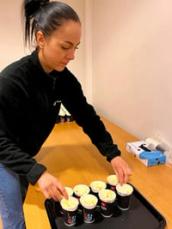
Project manager Bratthammer has found that her own passion, combined with creative approaches, helps engage students with the subject matter. She uses cups of popcorn to illustrate the unequal distribution of resources around the world.
Mislabelled Packaging Creates Surplus Food
After the presentation, students are given a tour of Matsentralen Oslo's premises. Here they see the scale of surplus food up close and meet charitable organisations that collect food from Matsentralen.
These organisations use the surplus food in their meal services, or distribute it directly to people in need of food assistance. There are many reasons why food and drink ends up at Matsentralen.
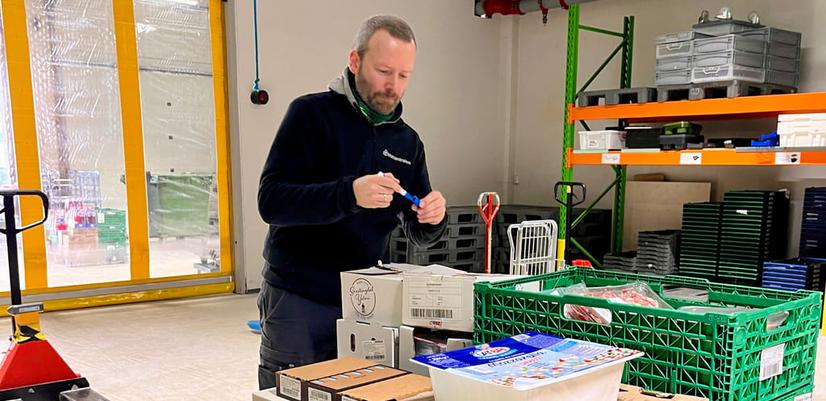
Today, for example, there are several large pallets of soft drink cans in the warehouse. The only thing wrong with them is that the drinks are sweetened solely with artificial sweetener, but the label states that they contain sugar.
– Mislabelling of packaging is a very common reason why food and drink cannot be sold in stores, explains Anne Marthe.
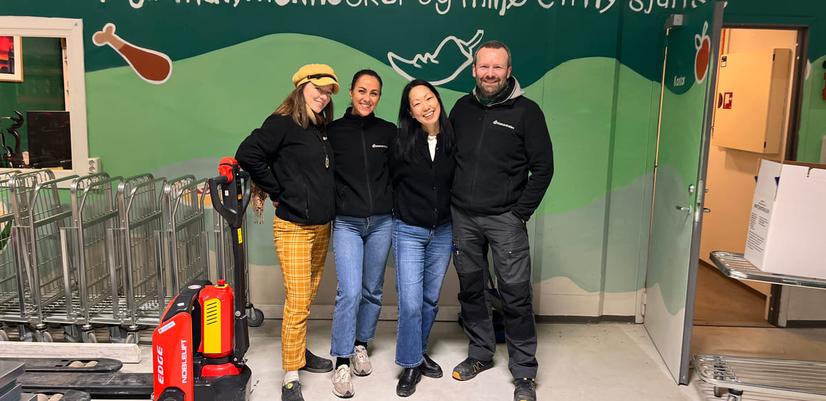
– In the past, such mislabelled products would often simply be thrown away. Since Matsentralen came along, we have developed increasingly better systems to ensure that such products are delivered to food banks across Norway.
Distributed
Hanne Eide Andersen/Kavli Trust
Great Collaboration
Matsentralen Oslo
Passing Food On to Charitable Organisations
She explains to the students that the food banks redistribute surplus food to charitable organisations that use it in their services and programmes for those who need it.
In Oslo, around 140 large and small organisations collect food from Matsentralen.
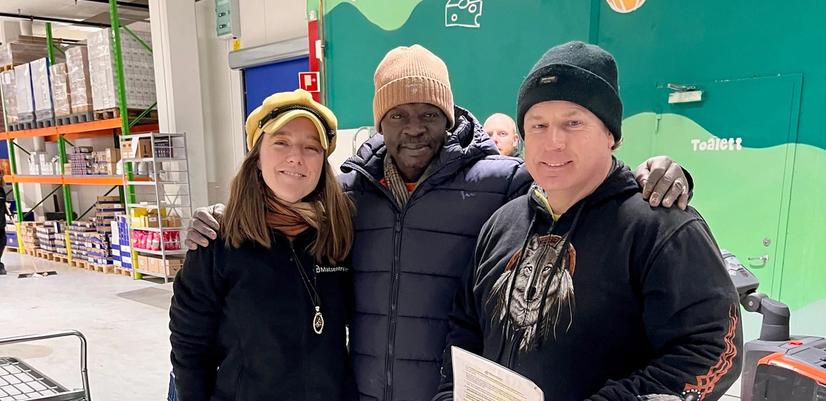
– Our partners include both large organisations such as the Salvation Army, Blue Cross, and Evangeliesenteret, as well as small, local volunteer associations that provide food assistance services in their local communities, says CEO of Matsentralen Oslo, Cristiano Aubert.
Valued partners
Hanne Eide Andersen/Kavli Trust
After the session, schools are offered follow-up visits featuring hands-on food rescue lessons in the school kitchen.
– During school visits, we join the food and health classes and prepare dishes using ingredients that are commonly wasted in households, such as fruit, vegetables, and bread. Matsentralene in Vestfold and Telemark and in Vestland have already run similar programmes with great success, explains Bratthammer.
Fully Booked Through to Summer
The sustainability sessions are aimed at Oslo schools, but schools outside Oslo will be invited when capacity allows. For now, that is not an option.
– We are completely fully booked through to the summer, says Bratthammer.
Cristiano Aubert is delighted by the overwhelming response from Oslo's schools.
– We are entirely dependent on schools recognising the importance of this work and how we can best collaborate to support our shared goals. Together, we can do even more to create a new generation of food rescuers and conscious consumers who can make the world a better place through sustainable choices, says Aubert.
Facts
- With support from Kavlifondet, Matsentralen Oslo can deliver sustainability sessions to a large proportion of Oslo's Year 6–9 students in 2024.
- The project is also supported by Sparebankstiftelsen DNB.
- Food rescue is one of the most effective ways to reduce greenhouse gas emissions, yet food waste in Norwegian homes remains very high.
- It is estimated that households account for approximately half of Norway's total annual food waste of 450,000 tonnes.
- The goal of the sustainability sessions is to encourage more sustainable consumption patterns, particularly around food, both among today's children and young people, and among the young adults of the future.S
- ince 2013, Kavlifondet has supported the establishment and development of all eight food banks in Norway, as well as the umbrella organisation Matsentralen Norge.
Artikler og nyheter
A Full House at Matsentralen with Sustainability and Food Rescue for Schoolchildren
The teaching room at Matsentralen Oslo is buzzing with energy this morning.
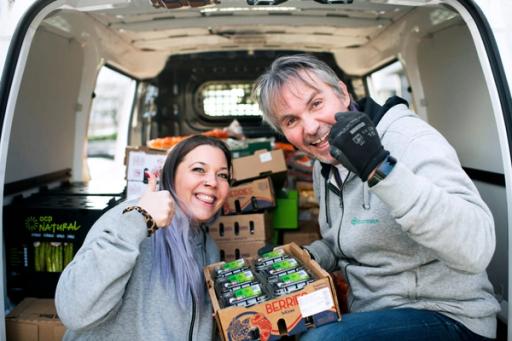
Saving Food, Supporting People and the Environment Across Three Countries
Since 2012, Kavli Trust has supported the establishment and development of all food hubs in Norway, as well as similar projects in Sweden and the United Kingdom.
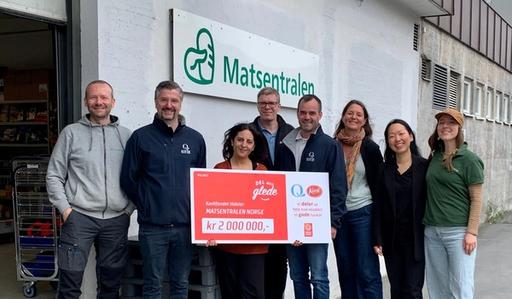
Continued Support for Food Rescue and Vulnerable Groups
Kavli Trust has awarded two million NOK to the umbrella organisation for the Norwegian food banks, Matsentralen Norge.