Artificial Intelligence for Better Health Research?
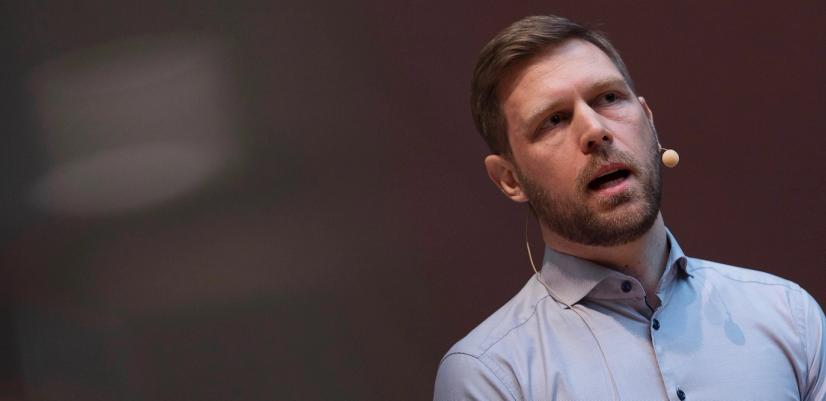
Jan-Ole Hesselberg
Anne Elisabeth Næss
Kavli Trust will distribute NOK 135 million for research on children’s and young people’s mental health in 2017–2022. How can we ensure the funds go to useful research? Could artificial intelligence be part of the solution? Listen to the latest episode of the Kavli Trust podcast!
Text: Hanne Eide Andersen
From 2018 to 2022, The Kavli Trust Programme on Health Research will allocate a total of NOK 135 million to research on children’s and young people’s mental health.
In the latest episode of the podcast Tech, Hope & Love, the Head of the Health Research Programme, Jan-Ole Hesselberg, talks about a major review that showed 85 per cent of all health research is wasted.
How can we avoid funding wasted research? Should researchers decide what to study themselves? Or should more research focus on what the public really needs to know? And is it true that more men receive research funding than women, simply because they are men?
The Kavli Trust Programme on Health Research was established through a collaboration with Stiftelsen Dam, where Jan-Ole works as Programme Director. His colleague from Stiftelsen Dam, Ida Svege, is Senior Adviser in the Health Research Programme.
Read more: Continuing Collaboration for Useful Health Research
Together with Kavli Trust, they have developed a programme specifically designed to avoid wasted research. The programme, praised by the professional community, aims to identify genuine knowledge gaps through a process involving both experts and users.
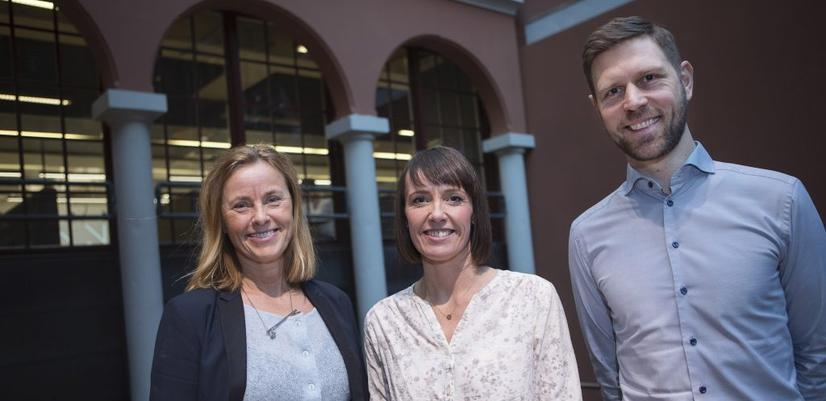
Launch
Anne Elisabeth Næss
Reasons why health research is wasted include poor methodology, researchers not publishing results, or projects not targeting something genuinely useful for those who will use the research.
– It’s a huge problem. Billions are spent worldwide on health research, money that is desperately needed for good research, says Jan-Ole.
But why is this the case? What determines which research projects receive funding?
– Those assessing the projects very often do not agree at all, he points out.
Jan-Ole is interested in decision psychology – what influences human judgments – and how this shapes which research receives funding. Attitudes towards gender, ethnicity, and job titles can affect assessments, potentially resulting in discrimination and underrepresentation of certain groups in research.
He believes that using artificial intelligence could make future funding allocations more neutral.
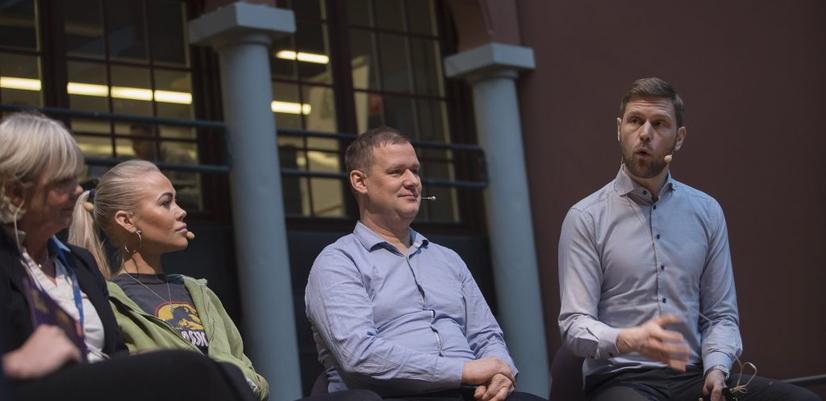
Panel discussion
Anne Elisabeth Næss
IInger Elise Iversen describes how The Kavli Trust’s Health Research Programme has so far funded five major and important projects.
– In several of these projects, the effective and innovative use of digital tools is crucial, says Inger Elise.
Read more: Million NOK Support for Online Therapy for Depressed Youth
She also explains the background of the Tech, Hope & Love initiative. This is currently the latest episode of the podcast series, produced by Vrang Production.
– The podcast has been received fantastically and has topped Apple Podcasts’ tech podcast chart in Norway since its launch in January. We are proud of that, she says, and does not rule out more podcasts from the Kavli Trust in the future.
First, Tech, Hope & Love will collaborate with student communities to find sharp minds and warm hearts who can connect socially valuable projects with technology.
– We need young people on board to ensure the effective use of technology for good causes in the future as well, says Inger Elise Iversen.
Read more: The Kavli Trust Programme on Health Resarch
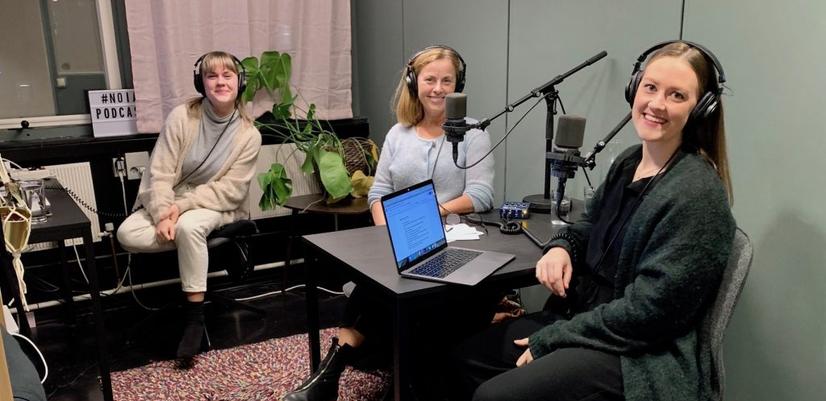
Inspelning
Hanne Eide Andersen/Kavli Trust