Awarded for research that could help young people with autism
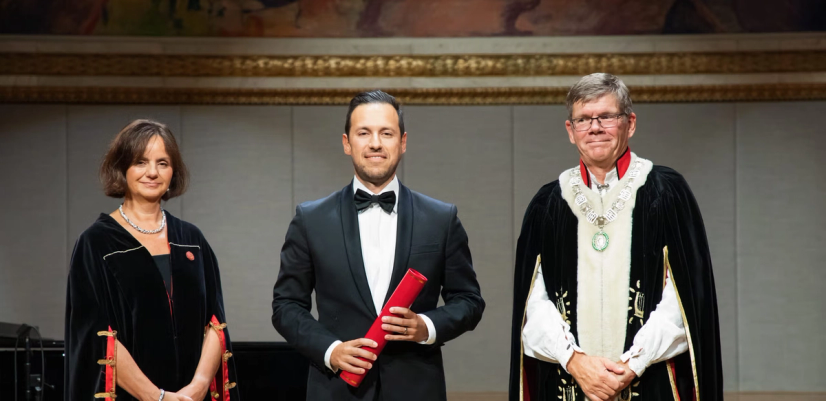
Researcher Daniel Quintana leads major study on oxytocin and adolescents with autism, funded by the Kavli Trust’s Health Research Programme. He was recently awarded the University of Oslo’s Young Researcher Prize for his many years of research on oxytocin and the hormone’s significance for physical and mental health.
– Kavli Trust congratulates Daniel Quintana on a well-deserved award. As a proud supporter of his ongoing and important research project, it is very gratifying to see this recognition of his work, says Inger Elise Iversen, Chief Executive of the Kavli Trust.
Long-standing research
Quintana is employed as a researcher at the Department of Psychology, Faculty of Social Sciences, University of Oslo (UiO), and as a senior researcher at the Norwegian Centre of Expertise for Neurodevelopmental Disorders and Hypersomnias (Oslo University Hospital).
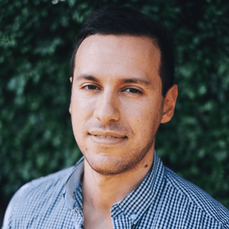
AWARD-WINNER: Daniel Quintana. Foto: Wes Tan
He has been awarded UiO’s Young Researcher Prize for his extensive research on the hormone oxytocin and its role in physical and mental health, as well as for his substantial work as a research communicator.
Watch UiO’s video interview with Daniel Quintana about oxytocin and his research here.
– It is an honour to receive this award from the University of Oslo. I am fortunate to work with an exceptionally skilled group of people whose efforts have contributed to this recognition, says Quintana.
The importance of effective research communication
Inger Elise Iversen emphasises that UiO, in its award citation, also highlights Quintana’s extensive work as a dedicated and productive research communicator.
– Effective research communication is a core value of the Kavli Trust’s Health Research Programme. Wasted health research is a serious problem, and our programme is specifically designed to ensure that Kavli Trust funding supports research that benefits patients, relatives, and healthcare professionals. Clear and impactful communication is therefore essential, says Iversen.
Can improve social skills
Oxytocin is a hormone naturally produced in the hypothalamus region of the brain. It influences emotions, social interpretation, and attachment, and thereby our ability to form and maintain social relationships.
Daniel Quintana is particularly interested in how oxytocin can be used to improve social dysfunction, and his research has already generated important knowledge in this area.
In 2020, he received five million Norwegian kroner from the Kavli Trust’s Health Research Programme to fund a large clinical study on the effect of synthetic oxytocin administered intranasally, as a nasal spray, to improve social skills in adolescents with autism spectrum disorders (ASD).
Previous, smaller studies have shown that a single dose of oxytocin as a nasal spray can improve how people with autism process social information.
– Support from Kavli Trust is critical to expand our promising initial research towards a potential treatment for individuals with autism, says Quintana.
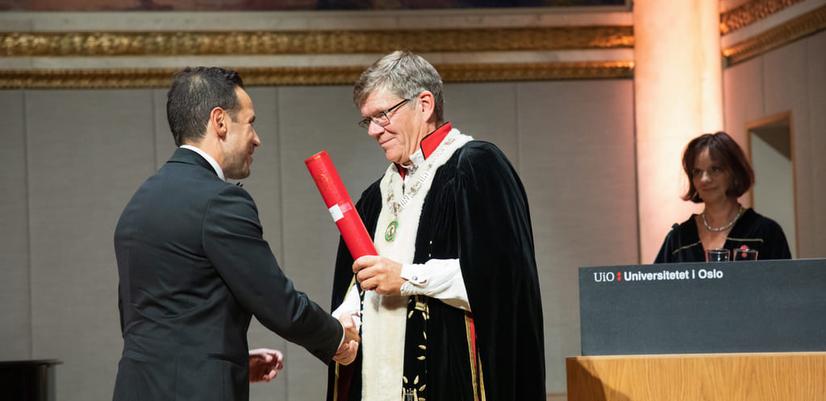
Award ceremony
Jarli & Jordan/UiO
– Could provide a basis for treatment
– This knowledge could form the basis for effective treatment that can make a real difference to those affected. Research of this kind can help prevent loneliness and social exclusion, thereby also strengthening the mental health of children and young people, says Inger Elise Iversen.
Daniel Quintana and his team are now putting the final pieces in place before starting participant recruitment for the clinical study.
– We look forward to following the project through this exciting phase and to seeing the final results. This is knowledge that could have a significant impact for many, says Iversen.
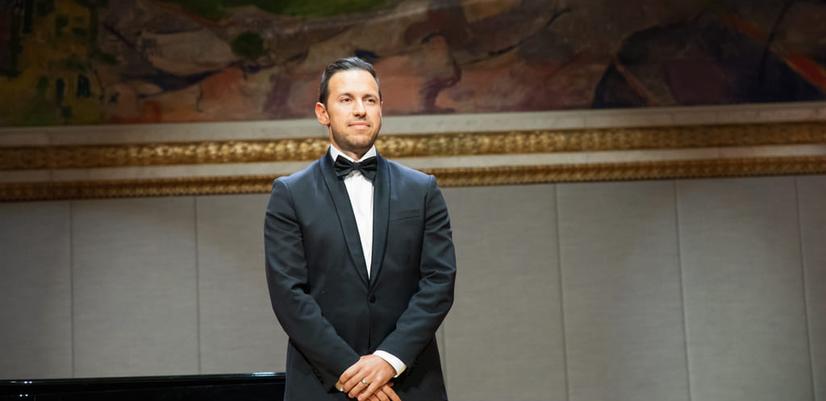
Award Ceremony
Jarli & Jordan/UiO