New autism study on nasal spray treatment receives support from the Kavli Foundation.
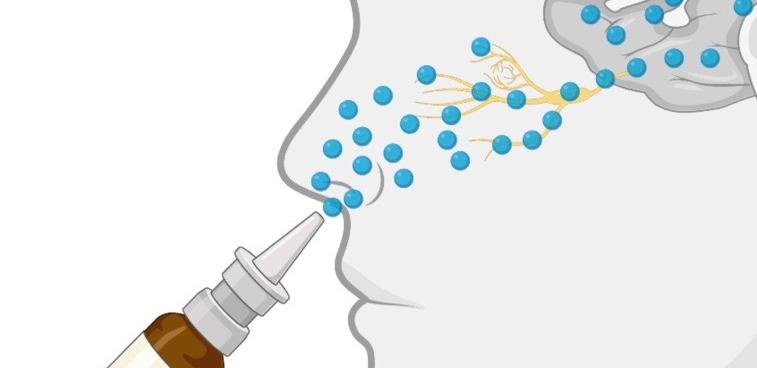
Daniel Quintana, based at the University of Oslo, has been awarded a four-year grant totaling NOK 5.075 million to investigate the effects of intranasally administered medication (via a nasal spray) aimed at improving social skills in adolescents with autism spectrum disorders (ASD).
Daniel Quintana, based at the University of Oslo, has been awarded a four-year grant totaling NOK 5.075 million to investigate the effects of intranasally administered medication (via a nasal spray) aimed at improving social skills in adolescents with autism spectrum disorders (ASD).
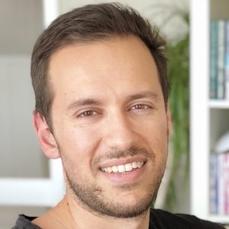
Researcher Daniel Quintana at the University of Oslo. Photo: Private
"I am pleased to have received this support from the Kavli Foundation, as it will enable a gold-standard clinical trial that will help uncover the potential of intranasal oxytocin treatment for adolescents with autism,” says Dr. Quintana.
"At the Kavli Foundation, we are very pleased to be able to support this important project. The project will provide knowledge about the effects of long-term oxytocin treatment on social skills in young people with autism spectrum disorders,” says Inger Elise Iversen, CEO of the Kavli Foundation.
"Both the colleagues who evaluated the applications and those of us who administer the program are impressed by the project and the expertise of the project team. The project is ambitious, the design is of the highest quality, and the initiative is innovative,” says Ida Charlotte Svege, Senior Adviser in the Kavli Trust's Health Research Program.
Autism spectrum disorders (ASD) are characterized by impairments in social interaction and communication, as well as a restricted range of activities. These impairments can affect quality of life, interpersonal relationships, and employment opportunities for individuals with autism. Currently, there is no effective and generalizable method for addressing deficits in social skills.
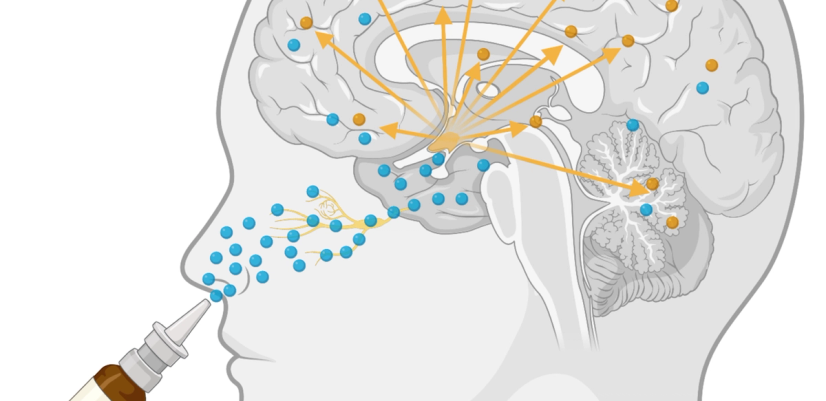
Growing evidence points to the critical importance of the neuropeptide oxytocin in the development and maintenance of ASD due to its role in social behavior and learning processes. Oxytocin is naturally produced in the brain, but a synthetic nasal spray version of oxytocin can be used to increase oxytocin levels.
Preliminary results from Dr. Quintana and others have shown that a single administration of oxytocin via nasal spray can improve how individuals with autism process social information. Although these findings are promising, a full understanding of the effects of long-term oxytocin treatment in ASD remains limited.
Dr. Quintana adds that the project addresses a limitation present in much of the existing research on intranasal oxytocin:
“Women are typically excluded from research on intranasal oxytocin, despite the fact that approximately one in four adolescents with autism are female. Including female participants means that the results of this study can be generalized to a broader population of individuals with autism."
Professor Ole A. Andreassen, Director of the Norwegian Centre for Mental Disorders Research (NORMENT), says:
“We are very pleased that previous findings from the Centre of Excellence, NORMENT, are now being applied in a clinical intervention to develop new treatments. There is a great need for improved treatment for autism, and funding that enables research into the effects of oxytocin in a randomized study represents an important opportunity to achieve this.”
“In addition to social behavior, the project will also investigate the effects of intranasal oxytocin on repetitive behavior, which is a core characteristic of ASD. Taken together, this project has the potential to improve clinical practice for adolescents with ASD,” says Dr. Terje Nærland, Director of the KG Jebsen Centre for Neurodevelopmental Disorders.
Recruitment for the project is expected to begin in August 2021.
For more information about this project, please contact the KG Jebsen Centre for Neurodevelopmental Disorders: kgj-neuro@klinmed.uio.no.
Kavli Trust – Contacts:
- Inger Elise Iversen, CEO: ingerelise.iversen@kavlifondet.no
- Ida Charlotte Svege, Senior Adviser, Kavli Foundation’s Health Research Program: ida.svege@kavlifondet.no
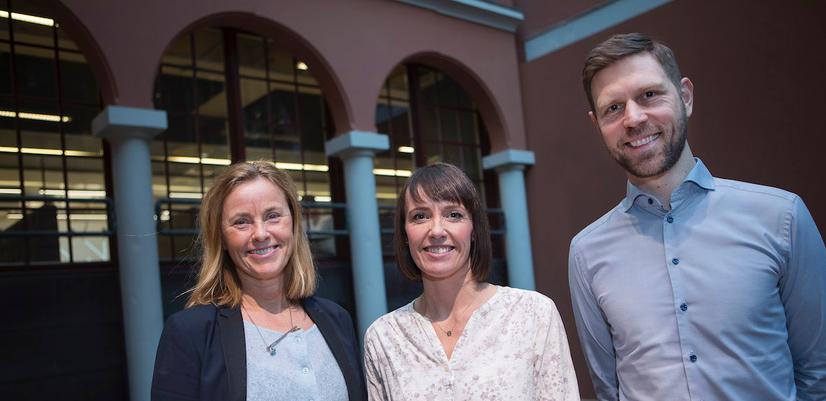
Anne Elisabeth Næss/Kavli Trust