Support for research on the effects of sports for children and adolescents with ADHD
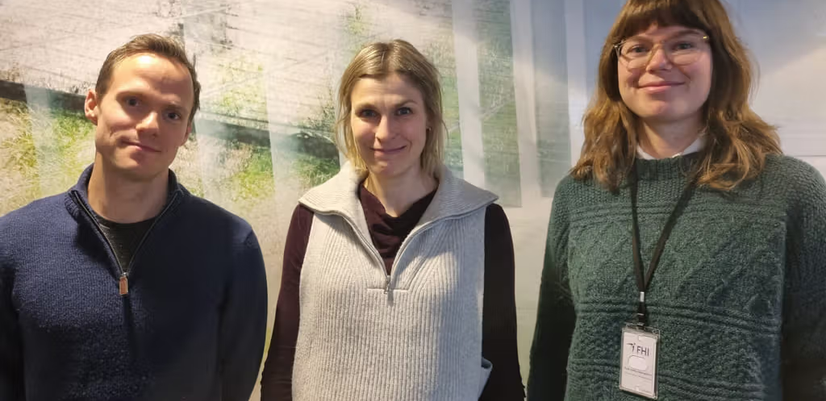
The research team
FHI
Kavli Trust’s Programme on Health Research has awarded NOK 3 million to the Norwegian Institute of Public Health (NIPH) for the study Game Changer: Investigating ADHD and Sports Participation.
The study, conducted at NIPH, aims to examine whether participation in organized sports can enhance learning and academic performance among children and adolescents with ADHD. Representatives from ADHD Norway, Mental Health Youth, and the Norwegian Olympic and Paralympic Committee and Confederation of Sports are also expected to contribute to the project.
Multiple positive effects
ADHD is a condition that typically emerges in early childhood and is characterized by inattention and hyperactivity. It can make schooling particularly challenging, increasing the risk of poor academic performance and school dropout.
The project’s principal investigator at NIPH, Karin Magnusson, explains that participation in physical activity and sports is believed to have beneficial effects that may be especially important for children and young people with ADHD.
“In addition to the immediate and long-term positive effects, participation can strengthen social networks, teach focus, adaptation to coaches and teammates, and following rules in sport. These are skills that can be particularly challenging for children and adolescents with ADHD,” says Magnusson.
Extensive data foundation
To assess the link between sports participation and academic performance, the research group will combine national registry data from the Population Register and health registries with data from the Norwegian Sports Federation’s membership database.
The latter covers 1.9 million sports memberships across more than 50 different sports.
“We will analyze the data by simulating randomized controlled trials, comparing children with ADHD who participate in organized sports with those who do not, and examining parameters such as school attendance, dropout rates, and grades in upper secondary school,” Magnusson explains.
May influence treatment approaches
Reports of an increasing number of children being diagnosed with ADHD are concerning, according to Magnusson.
“And many are medicated, with the risk of side effects,” she says.
If their findings support the hypothesis that participation in organized sports can improve academic performance, this could have significant implications for the everyday lives of children and adolescents with ADHD.
“In the short term, it may suggest that treatment recommendations for ADHD should be revised, where sports could replace or complement medication to help achieve optimal daily functioning. In the longer term, this could contribute to better inclusion in working life for this group of patients,” Magnusson says.
By linking information on sports participation with various sociodemographic factors, the project may also provide valuable insights forming the basis for future research in the field.
“Exciting and innovative study”
Kavli Trust’s health research programme is specifically designed to reduce research waste and has, since 2017, awarded NOK 172 million to research on mental health among children and adolescents.
The Game Changer study has received NOK 3 million to help address one of the carefully identified knowledge gaps in the field: What is the effect of non-pharmacological treatments for children and adolescents with ADHD?
The research team
FHI
Ingrid Paasche, General Manager of Kavli Trust, is pleased that the foundation is supporting a project that could improve the daily lives of children and young people with ADHD.
“The study takes an innovative approach and utilizes a comprehensive and previously untapped data source. It will be very exciting to see the results,” says Paasche, adding:
“We know that early and appropriate intervention is crucial. If the study shows that children with ADHD can experience improved learning and academic achievement through sports participation, incorporating more physical activity into school and everyday life will be an important measure — both pedagogically and as part of general treatment — to prevent school dropout and reduce the risk of unemployment or social exclusion later in life.”
Project summary
- Project title: Game Changer: Investigating ADHD and Sports Participation
- Knowledge gap addressed: 4. What is the effect of non-pharmacological treatments for children and adolescents with ADHD?
- Host institution: Norwegian Institute of Public Health (NIPH)
- Collaborating institutions: ADHD Norway; Norwegian Olympic and Paralympic Committee and Confederation of Sports; Mental Health Youth
- Funding amount: NOK 3,015,000
- Project period: 2025–2028
- Principal Investigator: Karin Magnusson (NIPH)
Facts about the Health Research Programme
- Since 2017, Kavli Trust’s Programme on Health Research has awarded NOK 172 million to studies on mental health among children and adolescents.
- The programme is designed to avoid research waste by identifying key knowledge gaps in health research.
- Funding is distributed through a dedicated call process developed and run in collaboration with the Dam Foundation.
- Twenty different research projects at prestigious institutions, including the University of Oxford (UK), Karolinska Institutet (Sweden) and NORCE (Norway), have received support through the programme.
- Read more about the health research programme [here].