Support for Trauma Treatment for Children Affected by War
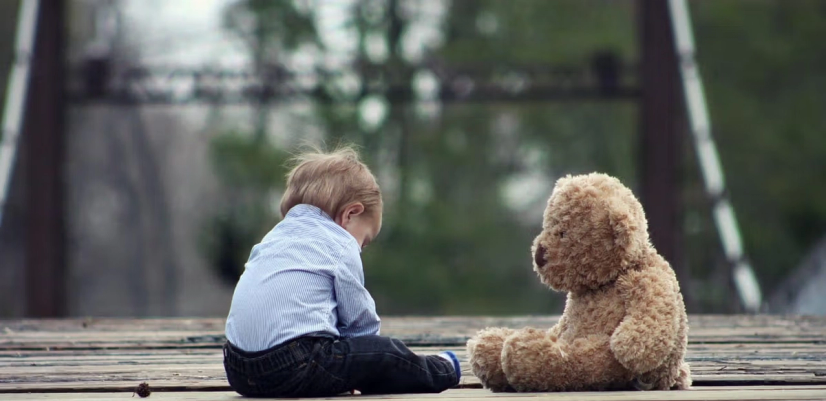
With funding from Kavli Trust, the Bergen-based foundation The Children and War Foundation aims to ensure that more children receive help to process trauma from war, conflict, natural disasters, and other crises.
Text: Hanne Eide Andersen
“We are delighted to be able to support the work of The Children and War Foundation. Their experts carry out extraordinary work on a voluntary basis, helping children and young people affected by war to process their experiences,” says Ingrid Paasche, CEO of Kavli Trust.
Kavli Trust has awarded NOK 1 million to The Children and War Foundation (CAW) for their project, Helping Traumatised Children to Cope.
Training Personnel
The funding will be used to provide training in the Teaching Recovery Techniques (TRT) programme for personnel working with children traumatised by war and other crises.
“This support enables us to assist organisations and individuals who work with children affected by war and disasters, providing training in evidence-based psychological methods, particularly through the TRT manual,” says psychologist Ragnhild Dybdahl, Chair of CAW’s Expert Council.
Dybdahl works at the Norwegian Institute of Public Health (FHI) and as an Associate Professor at the Centre for Crisis Psychology, University of Bergen, with specialist expertise in global mental health.
CAW was founded in Bergen and London and is run on a voluntary basis by psychologists, researchers, and other professionals from Norway and abroad with expertise in child psychology and child psychiatry.
Developed by Experts
TRT has been developed over time through research and practice by CAW experts in Norway and the UK. The methods are specifically designed to reach areas with large numbers of children and young people who have experienced war, displacement, and other crises.
“The TRT methods are designed so that non-specialists in humanitarian and development settings can use them, allowing support to reach many children suffering from psychological trauma,” says Dybdahl.
The methods are also adaptable and can be integrated with other support interventions.
The effectiveness of TRT was well documented in the three-year study Evaluation of the Teaching Recovery Techniques, led by Professor Anna Sarkadi at Uppsala University, with support from Kavli Trust’s health research programme. The study examined TRT’s impact on young refugees and asylum seekers in Sweden showing symptoms of post-traumatic stress, with very positive results.
Palestine, Lebanon, and Syria
CAW has already conducted several training sessions.
“We recently delivered a three-day online course in Arabic for personnel supporting traumatised children in Palestine, Lebanon, and Syria,” Dybdahl reports.
A total of 87 therapists, teachers, and other practitioners participated.
“They expressed great appreciation for learning these methods and said it improved their ability to help children in extremely difficult circumstances,” Dybdahl adds.
“We have also recently held in-person training in Cairo for practitioners working with children who have fled from Palestine.”
CAW specialises in developing methods grounded in research but designed for use by non-specialists in low-income countries and other challenging contexts where specialist support is often scarce.
“The foundation itself does not provide direct services, but supports organisations and individuals who deliver psychosocial support to children in communities worldwide,” explains Dybdahl.
Important Prevention
The project forms part of Kavli Trust’s efforts to support preventive measures that strengthen children’s and young people’s mental health and fulfil international social responsibility.
“Trauma from experiences of war and disaster can have serious and long-lasting consequences for emotional and physical health, social relationships, education, and other key areas of life. This is a major global societal challenge,” says Rune Mørland, grant manager for international projects at Kavli Trust.
“But when children receive early help to cope with the psychological impact of war, disasters, and displacement, it can prevent future problems from developing,” Mørland adds.
3,200 Children to Receive Support
The Kavli Trust funding will cover training and certification in TRT for over 300 personnel, strengthen CAW’s professional trainer team, and provide administrative support to enhance the organisation itself.
The training will be led by certified TRT trainers and delivered both in person and online in collaboration with local partners.
CAW will provide training on request from local partners in several countries, with ongoing supervision and support.
Training will be offered to teachers, youth workers, nurses, and social workers in low- and middle-income countries, in humanitarian crises, and to those working closely with traumatised children and young people in other countries, including Norway.
With over 300 newly certified personnel, an estimated 3,200 additional children will receive vital support through the programme within a year.
Facts
- Recipient: The Children and War Foundation (CAW), Norway
- Allocated Grant: NOK 1 million
- Project Period: 2024–2025
About The Children and War Foundation
- The Children and War Foundation (CAW) is a non-profit foundation established in Bergen in 2000 by psychologists William Yule, Atle Dyregrov, and Magne Raundalen.
- The organisation works to improve the lives of children affected by war and disasters and is currently led by psychologist, researcher, and clinician Ragnhild Dybdahl. The Chair of the Board is Inger Hygen from Kluge Law Firm in Bergen.
- CAW develops methods to help children manage fear and trauma, focusing on research into the short- and long-term effects of such experiences.
- They have produced a range of empirically based manuals aimed at helping children worldwide learn strategies to reduce stress responses. These manuals have been translated into multiple languages.
- The organisation also contributes to global knowledge on supporting children in crisis by sharing research findings and developing new interventions and initiatives.
- CAW is currently run by a board and a research and implementation committee, both on a voluntary basis without remuneration.