The Suicide Line,
Mind Sweden

Volunteering
Mind Sweden
During the pandemic, demand for the Swedish crisis helpline, the Suicide Line, increased dramatically. Kavli Trust has supported the service since 2015 and is now providing an additional NOK 2 million to further strengthen this life-saving resource.
Allocated grants
2 000 000
NOKRecipient
Mind Sweden
Project
The Suicide Line (Självmordslinjen).
Project period
2021
2022
Allocated grants
2 000 000
NOKAbout the project
The Suicide Line is operated by the Swedish organisation Mind Sweden, which has long worked to improve mental health and support people experiencing psychological difficulties.
Suicide is the leading cause of death in Sweden among 15–24-year-olds, according to the Swedish National Board of Health and Welfare (Socialstyrelsen). With support from Kavli Trust, Mind was able to establish the Suicide Line in 2015 to prevent and reduce suicides.
Meeting a vital need
The Suicide Line is primarily staffed by volunteers trained to speak with people experiencing suicidal thoughts. Conversations take place via phone, chat, and email.
Kavli Trust has continued to support the project since the service was established in 2015, and Mind is now receiving an additional NOK 2 million to fund the operation and further development of the Suicide Line in 2021 and 2022.
The reason is simple: the helpline works, and it undoubtedly saves lives and helps people in crisis.
This is demonstrated by annual evaluations of the service, based on surveys of both users and volunteer counsellors. In 2020, 85 per cent of users felt heard and understood. Forty-six per cent reported reduced suicidal thoughts, while 54 per cent said the conversation lessened feelings of loneliness. In 71 per cent of cases, volunteers reported satisfaction with the conversations and the help they were able to provide.
"These are encouraging figures and clearly show that this helpline meets a literally life-saving need," says Inger Elise Iversen, CEO of Kavli Trust.
"It is truly a pleasure for us at Kavli Trust to continue supporting Mind and this critically important work for people in distress."
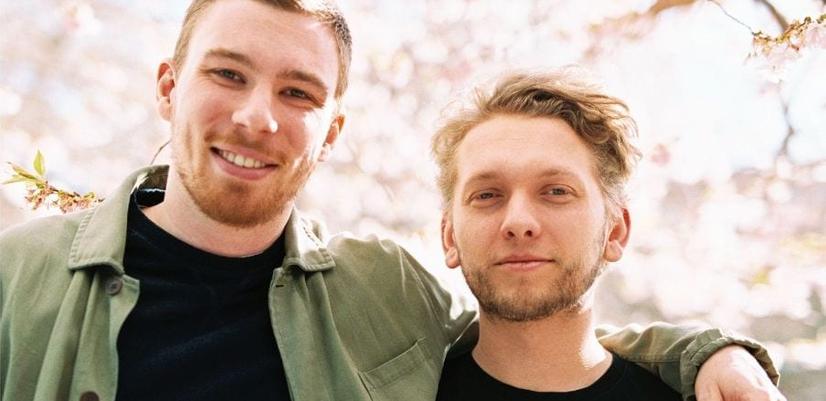
Volunteers
Mind Sweden
81 per cent increase in calls last year
"Kavli Trust’s support has helped us expand capacity so that we can now handle 80,000 calls a year," says Karin Schulz, Secretary General of Mind.
"It has also enabled us to respond to the increased demand during the pandemic by training more volunteers and extending the opening hours of the Suicide Line."
The need for the service has increased significantly due to COVID-19, with the number of contact attempts rising by 30 per cent in 2020.
It became crucial to strengthen the service, and since June last year, the Suicide Line has been operating around the clock.
The expansion has been successful. In 2020, the Suicide Line answered 58,000 calls, an 81 per cent increase from the previous year. Notably, there was a significant rise in contacts from 15–24-year-olds, particularly via chat.
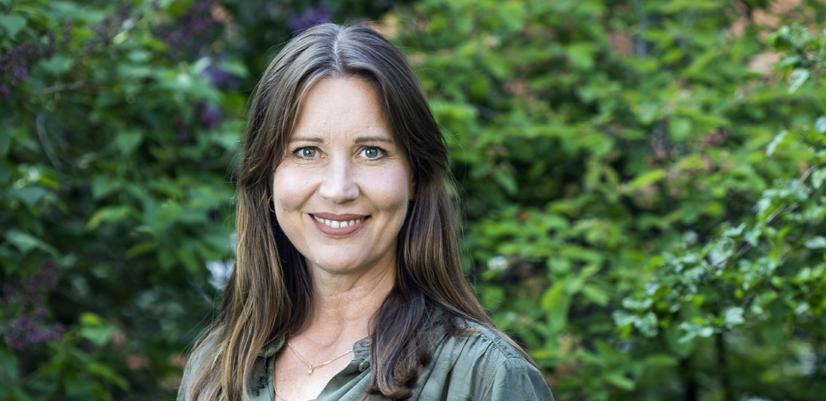
Secretary General
Mind Sweden
Kavli Sweden: “Powerful impact”
"I am both proud and delighted that Kavli Trust is once again supporting Mind’s Suicide Line," says Gerhard Bley, Managing Director of Kavli Sweden.
As elsewhere in the group, all profits from Kavli Sweden’s products go to Kavli Trust and charitable causes.
"In highly secularised Sweden, many people already experience great loneliness, a sense of meaninglessness, and stress due to society’s focus on material progress. Many important measures are needed to reverse this trend, but Mind’s Suicide Line is undoubtedly a powerful way to help those in the deepest crisis. As Managing Director of Kavli Sweden, it is a privilege to see our unique corporate model, where all profits go to charitable causes, contributing to a better society – a model that more should emulate," says Gerhard Bley.
On track for 80,000 calls in 2021
This year, Mind aims to handle 80,000 calls, increasing further to 110,000 calls next year.
Mind estimates that this will represent 66,000 volunteer hours in 2021, and 90,000 hours in 2022.
To achieve these goals, the organisation relies on recruiting and training more volunteers, which requires funding.
"Kavli Trust provides the conditions for a faster scale-up of the Suicide Line. Our goal is to increase the number of volunteers to 1,000 by 2022," says Karin Schulz.
The support also enables the further development of digital training and follow-up processes for volunteers, as well as improving the methodology for conversation quality. This is done in collaboration with researchers from Uppsala University.
The Secretary General notes that digitalisation has made it possible for more people to volunteer, as conversations can now be conducted from home regardless of location.
And it is not only the callers who benefit from the service:
"We know how rewarding it is to be a volunteer and support fellow human beings. At Mind, we want to help more people act as a lifeline to others through volunteering – and Kavli Trust’s support will make that possible."